





The United Architects of the Philippines (UAP) is the integrated and accredited professional organization for architects in the Philippines.
It was formed in 1975 through the merger of three architectural organizations: the League of Philippine Architects (LPA), the Association of Philippine Government Architects (APGA), and the Philippine Institute of Architects (PIA).
UAP serves as the central body for Filipino architects, promoting the highest ethical standards, professional development, and advocacy for the architecture profession

Offers education, training, and certification programs for architects.

Engages in government advocacy to support the profession and improve its public image.

Participates in community redevelopment projects and public outreach initiatives.

Provides a platform for architects to connect, share knowledge, and collaborate on projects.
The UAP National Convention is an annual event organized by the United Architects of the Philippines (UAP). It serves as a platform for Filipino architects to come together, share knowledge, and discuss the latest trends, challenges, and innovations in the field of architecture.
Provides opportunities for architects to connect, collaborate, and build professional relationships
Features workshops, seminars, and keynote speeches by prominent figures in the architectural community
Includes construction exhibits showcasing the latest technologies, materials, and designs in the building industry
Honors outstanding contributions to the field with awards like the LIKHA Award and EMERITUS medallions for long-serving members
includes oath-taking ceremonies for new architects and special recognition for veteran members.
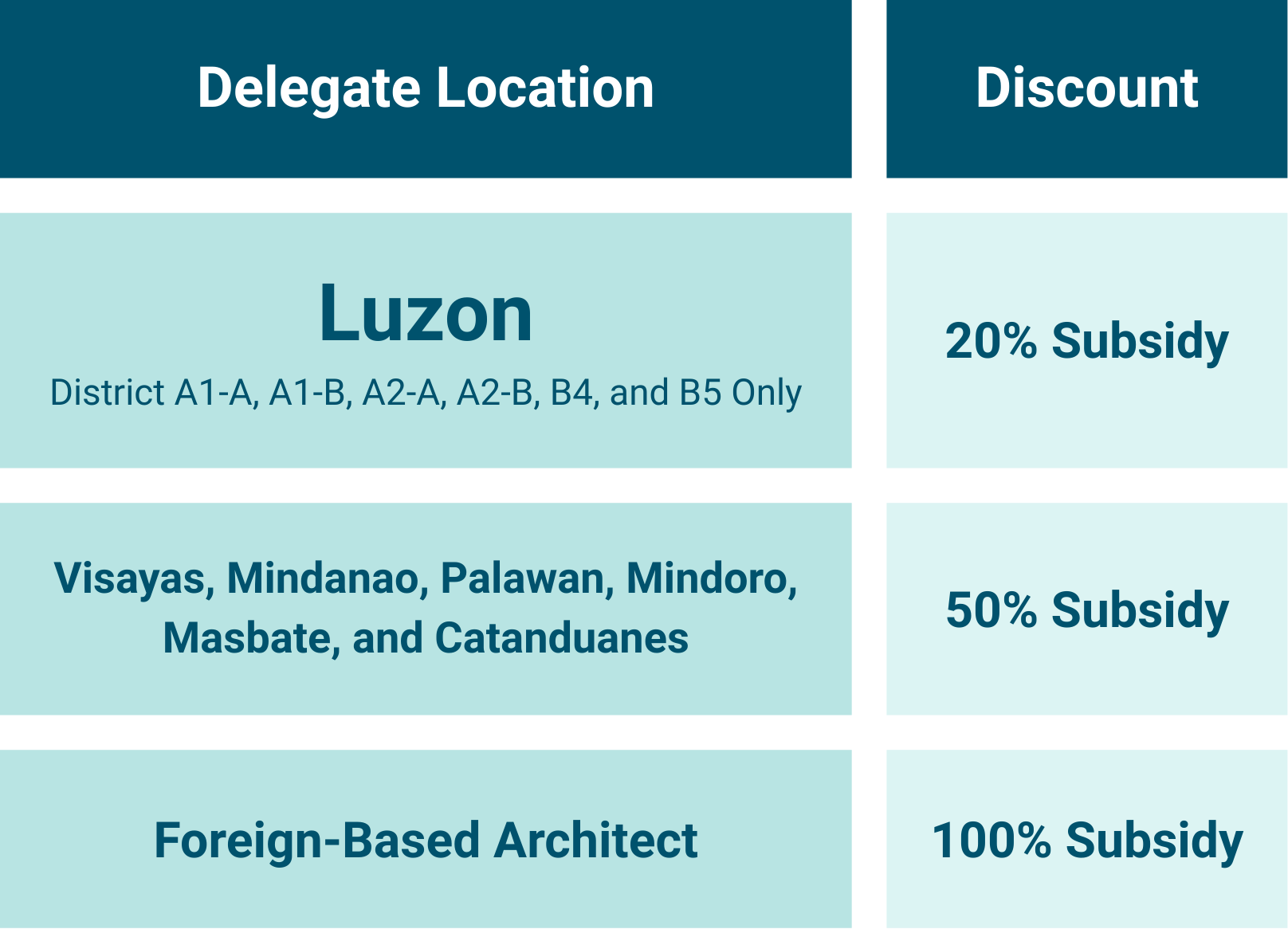
For COF: 20% Off • 2500 PHP (If 1 Day Attendee Only)
An offering of this scope is rarely made available.
Register to be part of the Above and Beyond experience.
Above and Beyond reflects the profession’s call to move past convention and complacency. It challenges architects to elevate practice, leadership, and responsibility—responding to the evolving needs of cities, communities, and the nation.
More than a theme, it is a commitment to excellence, relevance, and impact—pushing architecture beyond form and function toward lasting influence.